Platform Modernization
We help you modernize aging Rails, React, and Node.js platforms in stages, working through architecture, testing, performance, and release problems.
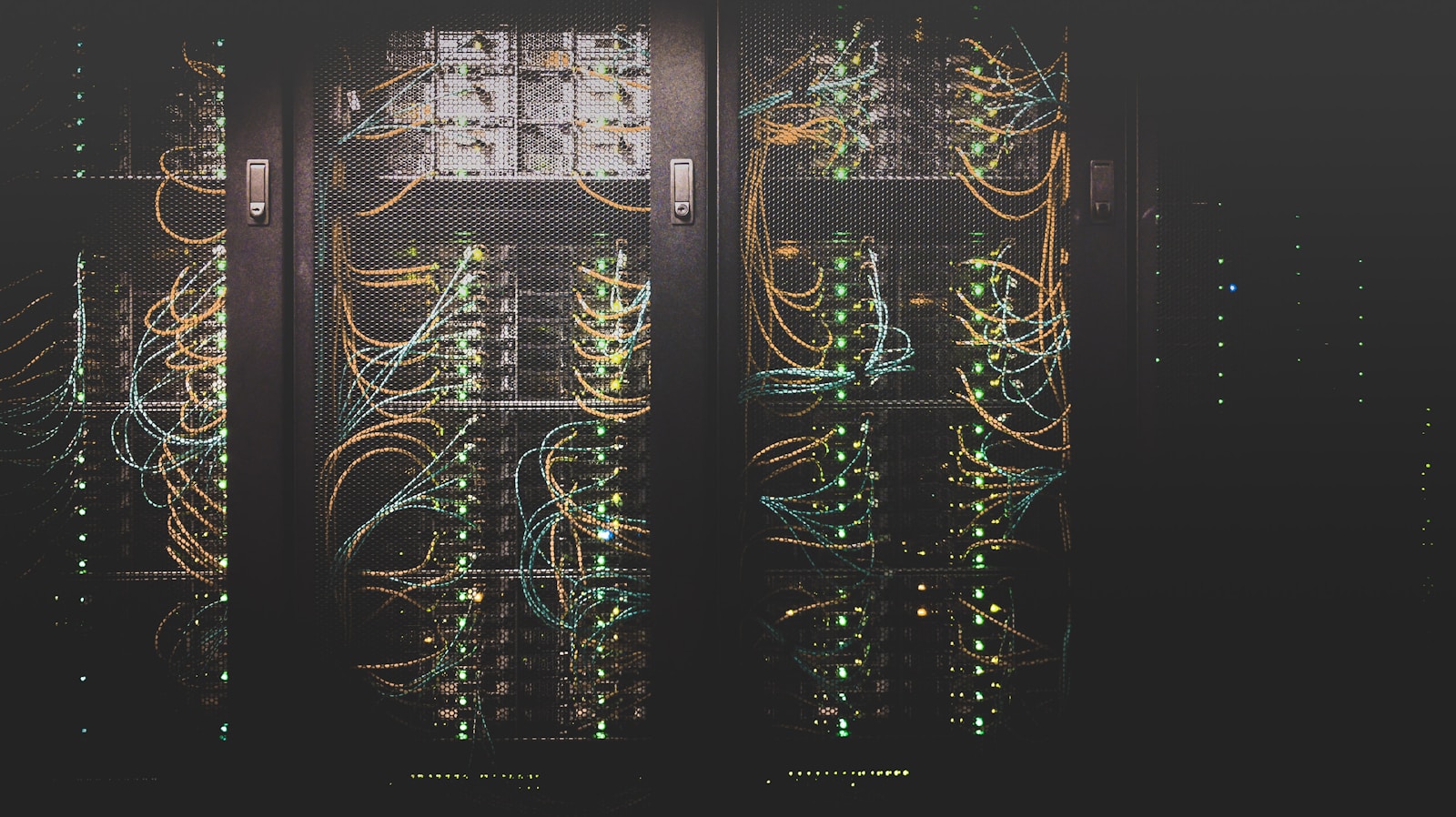
Make your platform easier to change.
Slow releases, fragile tests, and repeated incidents can make even small product changes difficult.
We work through modernization in stages, with agreed checks for the systems your business relies on.
Is modernization the right move?
Platform modernization is valuable when growth work is blocked by operational risk, technical debt, or outdated architecture.
Releases are too slow
Small changes take too long because tests, reviews, deployments, or dependencies have become fragile.
Production feels risky
Incidents, rollbacks, and urgent fixes are absorbing the attention that should go into roadmap work.
The architecture is unclear
Teams avoid important changes because ownership boundaries, data flows, and integration points are hard to reason about.
Costs keep rising
Infrastructure, support, and maintenance costs are growing faster than the business value they support.
What we modernize
We focus on the parts of the platform making it harder to build, release, or maintain the software.
Architecture and boundaries
Clarify ownership, reduce coupling, and create safer paths for product and engineering teams to work in parallel.
Tests and release confidence
Improve test coverage, reliability, CI speed, and deployment habits so teams can ship with less anxiety.
Performance and observability
Identify bottlenecks, improve production visibility, and reduce the time it takes to understand incidents.
What modernization should achieve
Agree what the work should improve, such as release speed, reliability, maintenance, or running costs.
Less friction when making changes
Address the platform problems that make product changes take longer.
Lower operational risk
Work on release checks, responsibilities, and monitoring so problems are easier to find and understand.
Understand and reduce repeated costs
Review repeated support work, maintenance problems, and infrastructure use before choosing what to change.
Modernize in stages
We agree the priorities, work in stages, and review the results before deciding what comes next.
Diagnose
Review code, architecture, incidents, performance, deployment flow, and roadmap constraints.
Prioritize
Choose the few modernization moves most likely to improve speed, cost, confidence, or customer experience.
Execute
Work with your team on the agreed changes and share what they need to maintain them.
What is making your platform hard to change?
Tell us about the upgrades, reliability issues, or release problems you want to work through.